Ten Taboos About Kitchen Built In Oven You Shouldn't Post On Twitter
The Rise of Built-In Ovens: Transforming Modern Kitchens In contemporary cooking area design, the built-in oven has actually become a staple home appliance, marrying performance with visual appeals. As homes evolve and culinary preferences diversify, built-in ovens have actually become a necessary feature for aspiring chefs and home cooks alike. This article checks out the benefits of built-in ovens, their flexibility, styles, and what to consider when picking the right one for your kitchen area. What is a Built-In Oven? A built-in oven is a kind of oven that is integrated into the kitchen area cabinetry, offering a smooth, smooth appearance. Unlike conventional freestanding units, which stand alone and typically control the kitchen space, built-in ovens are designed to fit flush within kitchen cabinets, providing a structured and contemporary look. They come in numerous configurations, including single, double, or perhaps wall-mounted options, enabling for a customized approach to cooking. Benefits of Built-In Ovens 1. Space-Saving Design Among the most substantial advantages of built-in ovens is their ability to save area. Due to the fact that they integrate directly into kitchen cabinetry, they maximize floor area in the kitchen, enabling greater flexibility in design and style. This makes them a perfect choice for smaller sized cooking areas or those looking to develop a more open and spacious feel. 2. Aesthetic Appeal Built-in ovens contribute substantially to the overall visual of the kitchen area. They create a tidy and cohesive look by mixing in with the cabinetry, which can boost the general design and worth of the home. With a variety of surfaces available— such as stainless steel, matte black, or custom-made cabinets panels— they can fit any design style from modern to conventional. 3. Improved Cooking integrated oven hob & extractor packages of built-in ovens are equipped with sophisticated cooking technologies, such as convection cooking, steam assist, and smart innovation. These functions not only improve cooking performance however likewise provide higher convenience, enabling precise temperature control and more flexible cooking techniques. Home cooks can make the most of features such as self-cleaning alternatives, programmable settings, and even Wi-Fi connection. 4. Increased Ergonomics Built-in ovens can be installed at eye level, which eliminates the need to bend down to examine dishes or recover hot trays. This height adjustment makes cooking much safer and more comfortable, specifically for those with mobility difficulties. Flexibility in Cooking Among the crucial advantages of built-in ovens is their flexibility. They can be discovered in different styles to accommodate any cooking preferences, from conventional ovens to convection and steam ovens. In oven integrated , many models come with extra features like rotisserie functions, dehydrators, and even air frying capabilities. Built-in ovens permit a range of cooking styles and approaches, accommodating everybody from newbie cooks to culinary lovers. Types of Built-In Ovens Single Ovens: A single built-in oven is adequate for many households, allowing sufficient cooking area for everyday meals. Double Ovens: Perfect for larger families or those who entertain often, double ovens provide extra cooking capability and adaptability. Wall Ovens: These are installed in the wall at eye level, enabling for an elegant look and convenient access. Steam Ovens: These utilize steam for cooking, assisting to keep nutrients in food and supplying a much healthier cooking technique. Choosing the Right Built-In Oven When choosing a built-in oven, there are several factors to consider to ensure it fulfills your culinary needs and integrates flawlessly into your cooking area style. 1. Size and Configuration Measure the offered area in your kitchen area, taking into consideration the measurements of the cabinets. Built-in ovens come in different sizes, so selecting one that fits appropriately is vital. 2. Cooking Style Consider your cooking design and frequency. If you regularly bake or amuse, a double oven may be advantageous. If you choose healthier cooking options, a steam oven could be ideal. 3. Features and Technology Examine the features that are crucial to you— such as smart innovation, self-cleaning options, or specific cooking modes. These features can considerably improve your cooking experience. 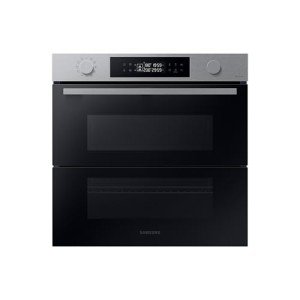 4. Brand and Warranty Research study trusted brands known for dependability and client service. A great guarantee can also provide peace of mind concerning your financial investment. Conclusion The built-in oven is more than simply a cooking home appliance; it is an important part of the cooking area's design and functionality. With their space-saving advantages, aesthetic appeal, and advanced cooking functions, built-in ovens fulfill the needs of contemporary living while adding worth to the home. Whether you're renovating your kitchen area or developing a new one, incorporating a built-in oven can elevate your cooking experiences and enhance your cooking experience. As you start your kitchen area journey, consider making this wise choice that integrates style with performance.